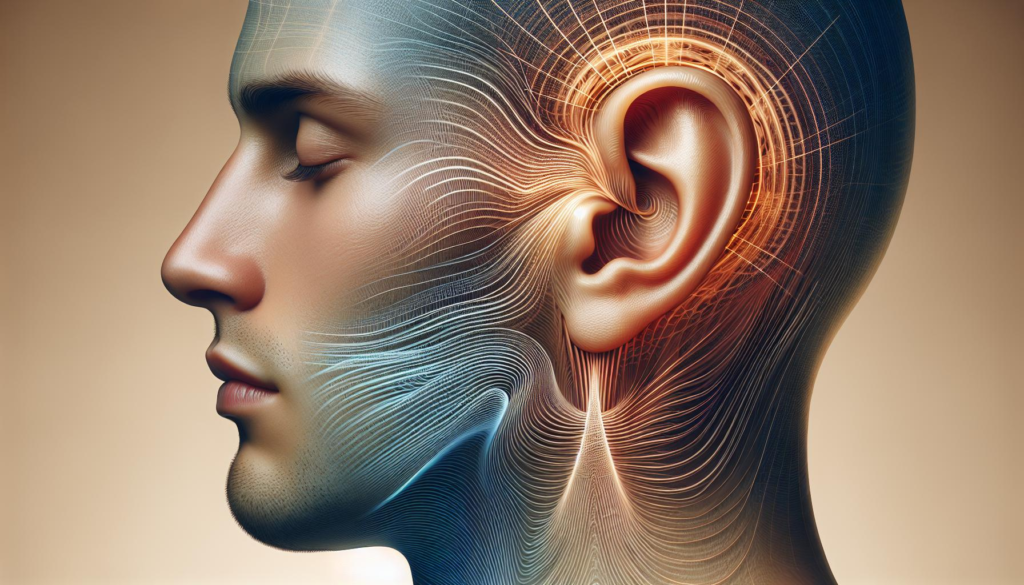

Have you ever woken to a dull ache in your jaw or a persistent ringing in your ears? If so, you might be wondering about the connection between bruxism and tinnitus. This article explores the often-overlooked relationship between teeth grinding and those bothersome ear sounds, shedding light on how these seemingly unrelated issues are intricately linked. Join us as we unravel the science behind these conditions and discover practical insights to help you find relief.
Understanding Bruxism and Ear Tinnitus
Bruxism, often described as the artsy cousin of teeth grinding, is more than just an annoying habit. It’s a condition where you clench or grind your teeth, usually unconsciously, often while you’re asleep but sometimes during the day, too. Now, this isn’t just a harmless quirk; it can lead to a variety of dental issues, jaw pain, and surprisingly, it might even be linked to ear tinnitus. Yes, you heard that right—those pesky ringing sounds in your ears you thought were just a sign of aging or bad reception might just have a connection to how tightly you’ve been clenching those pearly whites!
How Bruxism Works
To understand this strange relationship, let’s break it down. Bruxism mostly stems from stress and anxiety—think of it as your body’s way of venting. When you’re stressed, your muscles become tight, and you might find yourself grinding your teeth as you process all those thoughts swirling in your head.
But what about the ears? When you’re grinding your teeth, you’re working those jaw muscles hard, which can cause tension not only in your jaw but also in the muscles around your head, neck, and even ears. This tension can lead to a restriction of blood flow or inflammation, which might be playing games with your hearing. So next time you’re in a dentist’s chair, and they start probing about your stress levels, you might just have to grasp the connection between your hurry to finish that project and the annoying ringing in your ears!
The Ear-Tinnitus Connection
Tinnitus, that constant ringing or buzzing, can have various causes, and it often feels like a phantom sound. A combination of factors can result in this auditory gremlin popping up:
- Hearing Loss: Sometimes they go hand-in-hand, making you feel like you’re in a perpetual rock concert.
- Middle Ear Issues: Conditions like ear infections can cause the infamous ringing to appear.
- Jaw Tension: Yes, the very same clenching and grinding can have you hearing sounds even when it’s quiet.
Here’s an important table breaking down the indirect connections:
| Cause of Tinnitus | Link to Bruxism |
|---|---|
| Stress | Causal factor for both bruxism and tinnitus |
| Jaw Tension | Directly worsened by teeth grinding |
| Muscle Strain | Can lead to tension in ear muscles |
So, if you’re sitting there thinking, “Could my grinding teeth be the reason I hear the soundtrack of a horror movie every now and then?” you aren’t alone. While ongoing research is still working to firmly establish this connection, the implications are clear: take care of that gnashing and you might just turn down the volume on that annoying ringing. It’s a win-win if you ask me!
Make sure to frequently check in with a professional if you suspect you are experiencing these issues; they can provide you with ways to alleviate stress and techniques to ease that grinding. Simple activities like yoga, meditation, or even a cheeky night out can help!
The Connection Between Teeth Grinding and Tinnitus
There’s a puzzling relationship that many people aren’t aware of: bruxism, the delightful habit of teeth grinding, can sometimes be a noisy accomplice to tinnitus, that pesky ringing or buzzing in the ears that can drive anyone absolutely bonkers. It’s like your jaw and ears decided to hold a secret meeting, and who invited you? If you’ve ever found yourself clenching your teeth during a particularly stressful week, then you might just be part of this curious club.
What’s Happening Under the Surface?
When it comes to the connection between grinding your teeth and unwanted ear noises, we’re diving into the realm of nerves and muscles. Bruxism can lead to tension in the jaw, often resulting in the surrounding muscles and nerves becoming agitated. These nerves are not shy about reaching out to the ears, and what you end up with is a subtle but impactful disturbance. Think of it as your body’s way of sending you a loud and clear warning: «Hey, relax those jaw muscles, buddy!»
- Tension and Stress: The more you grind, the more your jaw muscles tense up. This tension can irritate structures around the ear, possibly leading to that all-too-familiar soundscape of tinnitus.
- Hearing Mechanisms: The auditory system is delicate and interconnected. Any irritation within the jaw can inadvertently influence hearing processes, making those ear whirs seem louder or more frequent.
You might be thinking, «This sounds like a bad magic trick: now you hear me, now you don’t!» Well, there’s a reason folks might feel like they’re losing it when they experience both conditions.
A House of Cards: Research and Insights
Interestingly, research on this connection paints a somewhat complex picture. While some studies suggest a strong correlation between teeth grinding and tinnitus, others highlight individual variability, which means that not everyone who grinds will experience a ringing in their ears. Imagine a buffet where you can pick your own toppings—bruxism and tinnitus don’t serve everyone the same dish. It’s a mix of genetics, stress levels, and just how your body responds to the world around you.
Keeping the Noise Down: Practical Tips
If grinding your teeth feels more like a daily routine and those ear noises are crashing your party, here are a few tips that might bring some relief:
- Stress Management: Consider adopting relaxation techniques like yoga or meditation. It’s like training for a marathon, but for your mind.
- Night Guards: Consult with your dentist about a custom night guard—think of it as cozy pajamas for your teeth!
- Limit Stimulants: Cutting down on caffeine or alcohol can help relax both your mind and jaw muscles, reducing grinding occurrences.
- Healthy Sleep Habits: Ensure you’re getting quality sleep (because who doesn’t love a good night’s slumber?), as fatigue can exacerbate both issues.
While may seem shrouded in mystery, it’s important to seek professional help if these concerns arise. Taming the wild noise of bruxism could turn down the volume on that irritating ear ringing, so why not give it a shot? Life’s too short to be stuck in a sound loop of grinding and ringing!
Common Symptoms of Bruxism and Tinnitus
When dealing with bruxism and those pesky ear ringing sensations known as tinnitus, it helps to first understand the common symptoms associated with both conditions. Both can be sneaky little gremlins in your daily life, creeping in and wreaking havoc on your peace of mind. Ever found yourself grinding your teeth like you’re auditioning for a heavy metal band? Or maybe hearing a constant buzzing sound, as if you’re always tuned into an off-frequency radio station? If these sound suspiciously familiar, you’re not alone!
Bruxism Symptoms
Bruxism, often driven by stress or anxiety, can manifest in several noticeable ways. Here are some classic signs:
- Teeth Grinding: The most obvious symptom. You might wake up with a sore jaw, or your partner might nudge you during the night like, «Hey, stop auditioning for the Sound of Music!»
- Jaw Pain: A tight or sore jaw can sometimes make you feel like you’ve been clenching a vice all night.
- Headaches: Tension headaches can follow a night of grinding, turning your morning coffee into a survival potion.
- Worn Teeth: Over time, grinding can wear down your beautiful chompers—leading to dental issues that could cost more than a beach vacation!
Think of bruxism symptoms like uninvited guests at a party—you really want to kick them out, but they seem to linger just a little too long.
Tinnitus Symptoms
Tinnitus, on the other hand, is that annoying companion that pops up unexpectedly, much like an unexpected bill. It can manifest in various forms:
- Ringing or Buzzing: This is the most common sound reported. You might think it’s just your brain’s way of getting into the karaoke spirit!
- Hissing or Clicking: Sometimes it’s like having your very own sound effects team, but not quite as cool as you’d hoped.
- Heightened Sensitivity to Sound: Suddenly, the rustling of leaves can feel like a marching band is playing right outside your window.
- Difficulty Concentrating: Engaging in a conversation might suddenly feel like trying to listen in a crowded café—exhausting!
These symptoms can vary in intensity, making each day a new experience, and not always in a good way! For some, it’s like having a dog that won’t stop barking at every squirrel on the street; it distracts you and makes it hard to focus.
Connection Between Bruxism and Tinnitus
Now, here’s the kicker: the connection between bruxism and tinnitus. It’s like that odd couple you wouldn’t expect to find together but somehow makes sense when you dig a little deeper. The grinding of teeth can lead to jaw tension, which may cause or exacerbate tinnitus due to the close relations of the jaw and ear structures. So those late-night grind sessions? They might not only knock your teeth out but also send your hearing on a wild ride! And before you ask, no, wearing a mouthguard won’t turn back time on your favorite concert that left you a little hard of hearing.
It’s an area ripe for research, with experts exploring the specifics of how grinding can physically affect your auditory system. Practical tips for managing these conditions include learning relaxation techniques, like deep breathing or even yoga. Think of them as your personal bouncers, keeping the unwanted noise (both external and internal) at bay. If things get too overwhelming, consulting a health or dental professional can be a game-changer—trust me, you don’t want to grapple with these gremlins alone!
How Stress Exacerbates Bruxism and Tinnitus
Bruxism and tinnitus don’t always come to mind as buddy pals, but believe it or not, stress plays the role of an unwelcome matchmaker in this duo. When life feels like a persistent series of fire drills—your boss demanding yet another report, kids needing rides to their many activities, or that one neighbor who insists on discussing the weather in excruciating detail—our bodies react. Stress not only revs up our internal engines, but it also leads to muscle tightness, which can transform your jaw into a clenching machine. As a result, people can find themselves grinding their teeth without even realizing it, creating the vicious cycle of bruxism.
Unpacking the Stress Connection
Stress often wears many hats: it can feel like a relentless rainstorm or an annoying fly buzzing around your head. But how does it tie into the jaw clenching and ear ringing? Here’s the scoop:
- Fight or Flight: When we’re stressed, our bodies go into survival mode, releasing adrenaline and cortisol. These hormones can lead to increased muscle tension, especially in the jaw.
- Tension Seeker: A tight jaw might be your body’s way of trying to cope with anxiety, almost like an awkward hug from an overzealous relative.
- Ripple Effect: This tension doesn’t just stop at the jaw. The muscles that control jaw movements are intimately linked with the ear structures, making them susceptible to all stress-related discomforts.
Imagine biting down on a piece of rock-hard bread during a tense meeting—your teeth might protest, and pretty soon, that constant tension could invite tinnitus, like an unwelcome soundtrack playing on repeat in your ears.
Two Sides of the Same Coin
Bruxism and tinnitus can find themselves in a complex tango that’s hard to resist when you’re stressed. Here’s what’s happening behind the scenes:
- Vicious Cycle: Face it—if a tireless hum fills your ears due to tinnitus, you might unknowingly grind your teeth to cope, while bruxism can keep inflaming the ears, creating a loop that feels impossible to break.
- Functionality Disruption: Like a malfunctioning phone, the constant buzzing can distract from daily tasks, pushing you further into stress. The more stressed you become, the more you grind your teeth, and round and round it goes.
Interestingly, current research indicates that managing stress may not only ease jaw clenching but can potentially alleviate unwelcome ear sounds. Techniques like mindfulness, yoga, or even deep breathing can work wonders. It’s about finding that groove that helps you chill when life gets a bit too hectic.
Practical Tips to Break the Cycle
Want to break free from this chaotic duo? Here are a few friendly strategies to put the brakes on both bruxism and tinnitus:
- Breathe Easy: Start your day with some deep breathing exercises. Picture yourself on a sunny beach, towel in hand, letting the waves wash over you—stress doesn’t stand a chance.
- Jaw Relaxation: Apply gentle stretches or massages to your jaw. Imagine releasing the tension like you’re slowly letting go of a tight rubber band.
- Prioritize Sleep: A well-rested mind behaves like a well-oiled machine, so aim for those 7-9 hours of quality sleep. A comfy pillow wouldn’t hurt either!
So, before you throw your hands up in frustration at the next stress-induced grind, try out a few of these suggestions. Who knows? You might just find a bit of peace among the chaos.
Effective Treatments for Bruxism and Tinnitus
Bruxism and tinnitus can feel like unwelcome guests at a dinner party, both annoying and hard to shake off. Fortunately, there are effective treatments for these pesky conditions that help restore peace and quiet to your daily life. When tackling bruxism—the night-time teeth grinding that can turn your peaceful slumber into a grinding horror show—various strategies can help ease the tension. From relaxation techniques to dental splints, there’s a toolbox full of options to consider.
Bruxism Treatments That Work
Think of treatment for bruxism like finding the right playlist for your morning coffee. You want something that suits your mood, and in this case, your well-being. Here are some go-to remedies:
- Mouth Guards: Slip on a custom-fitted mouthguard before bedtime. It’s like wearing a protective bubble for your teeth that absorbs the pressure and helps align your jaw, letting you sleep soundly without fear of tooth-cracking.
- Stress Management Techniques: Try yoga or meditation to unwind your mind. Picture your brain as a tightly wound rubber band—you need to release that tension! Apps with calming sounds can help you conquer nighttime stress, reducing grinding when you snooze.
- Behavioral Therapy: Sometimes, it’s our brain that’s the culprit. Cognitive Behavioral Therapy (CBT) can assist you in addressing those pesky anxiety triggers that lead to bruxism. Think of it as a self-help seminar for your subconscious.
Now, be mindful, folks. These strategies might not work overnight (pun intended!). Results often require time and commitment, just like mastering salsa dancing. But don’t fret; it’s about finding what clicks for you!
Tinnitus Treatments To Consider
Tinnitus, the ringing in your ears akin to an incessant doorbell you just can’t ignore, also has its set of management strategies. Here’s the scoop on effective ways to tackle that buzzing:
- Sound Therapy: Embrace white noise machines or calming playlists. Think of them as your personal DJ, mixing soothing sounds like ocean waves or gentle rain to drown out the annoying ring. They’re like having an entourage for your ears, providing a cozy audio cocoon.
- Cognitive Behavioral Therapy (CBT): Believe it or not, CBT can help here too! It teaches you to reroute your focus and manage reactions to the sounds. It’s like installing a GPS in your brain that finds alternative routes around annoying traffic (or in this case, noise).
- Lifestyle Changes: Avoid caffeine and nicotine; they’re like the loud friends who disrupt the party. Instead, embrace a balanced diet rich in fruits and veggies, plus regular exercise. Keeping your blood pressure in check can work wonders for tinnitus relief.
Just remember, not all treatments will work for everyone. It’s crucial to chat with a medical professional or a specialist to tailor a treatment plan that suits your unique melody. Research is ongoing, so keep an ear out for breakthrough treatments, too!
A Joint Approach for Both Conditions
When it comes to managing both bruxism and tinnitus, think of it as a two-for-one deal at your favorite taco joint. If you can address the underlying stress or anxiety that fuels both conditions, you might just find relief for both your teeth and your ears. Holistic approaches, including acupuncture, biofeedback, and even avoiding excess screen time at night (yes, I’m looking at you, late-night scrolling) can help you on this journey.
And here’s a fun nugget for you: some studies are looking into the connections between jaw clenching and ear health, suggesting that the tension in your jaw might just be the culprit behind that persistent ringing. Isn’t the body fascinating? So, treat your jaw well, and who knows, that annoying sound may just decide to take a vacation!
whether it’s through mouthguards, sound machines, or some lifestyle tweaks, dealing with bruxism and tinnitus is very much within your control. Just find your groove and don’t hesitate to reach out for help. You’ve got this!
Preventive Strategies to Alleviate Symptoms
To tackle those pesky symptoms of bruxism and the accompanying ear ringing, there are several preventive strategies you can implement. Think of them as your battle plan against the tension that clutches your jaw and serenades your ears with unwanted sounds. Here’s how to put that game face on!
Stress Management Techniques
Reducing stress might feel like trying to juggle flaming swords while riding a unicycle, but it’s crucial for easing jaw clenching and those annoying tinnitus symptoms. Consider these gentle yet effective methods:
- Mindfulness Meditation: Picture your mind as a cloud of busy thoughts; meditation helps you clear that cloud. Just ten minutes a day can lower anxiety levels and lead to a relaxed jaw.
- Deep Breathing Exercises: Imagine blowing bubbles; deep, slow breaths can make your jaw unclench like the release of a bubble that pops. Try inhaling deeply through your nose for a count of four, holding for four, and exhaling for four.
- Yoga or Tai Chi: These practices are not just for the nimble; they’re like giving your mind and body a warm hug. They promote relaxation and improve your overall well-being.
Tools and Techniques to Relieve Discomfort
Embracing a proactive approach can be akin to putting on armor before a battle. Here are some tools and techniques that can empower you in this endeavor:
- Mouthguards: Think of these as your personal shield. Custom-fitted by your dentist, they can prevent grinding at night, ultimately protecting your teeth and alleviating jaw tension.
- Heat and Cold Therapy: Applying a warm compress to your jaw can feel like a cozy blanket on a cold night. Alternatively, using cold packs can numb inflammation—just like a cold soda can cool you down on a hot day.
- Jaw Exercises: Ah, the gym for your jaw! Simple stretching and relaxation techniques, like opening and closing your mouth slowly or moving your jaw side to side, can bring relief and release tension.
Lifestyle Modifications
Making some lifestyle tweaks might be simpler than attempting to assemble that IKEA furniture you’ve been staring at. Here are a few you can easily implement:
| Modification | Tip |
|————————-|————————————-|
| Reduce Caffeine | Caffeine can amp up stress; try herbal teas instead. |
| Stay Hydrated | Sometimes, dehydration can amplify tension. Keep a water bottle handy! |
| Limit Alcohol | While a glass might unwind you, too much can disrupt sleep, leading to more grinding. |
Stepping into a routine that incorporates these strategies not only highlights your resilience but also empowers you to take charge of your health. Consider consulting with a healthcare provider to tailor a plan that resonates with you. Remember, the journey is just as important as the destination, so embrace the process!
When to Seek Professional Help for Tinnitus
It’s not always easy to navigate the buzzing world of tinnitus, especially if you’re dealing with it in tandem with bruxism. Imagine it’s 2 a.m., you’re grinding your teeth, and suddenly that irritating ringing in your ears swoops in like an unwelcome guest at the party of your life. You might brush it off for a while, but there comes a time when this persistent noise can start to cramp your style—maybe it’s ruining your beauty sleep or turning your daily commute into a living nightmare. So when should you consider asking for help from the pros?
Recognizing the Signs
If you’re experiencing tinnitus alongside bruxism, there are several signs that it might be time to reach out to a healthcare professional:
- Persistent Ringing: If that buzzing or ringing doesn’t play fair and sticks around for days or weeks on end.
- Intensity Changes: When the sounds seem to grow louder or change in pitch, almost as if they have a mind of their own.
- Disruption in Daily Life: If it’s affecting your work, relationships, or even that Netflix binge time you cherish.
- Additional Symptoms: Look out for dizziness, ear pain, or hearing loss—this trifecta could be a signal to get checked out.
Remember, it’s a good idea to take notice when something unusual happens. Trust those “I’m not alone in this, right?” feelings we all have; they might just point you towards the right direction.
Consultation and Treatment Options
You’re not alone in this quest for peace—many people face the unique combo of bruxism and tinnitus. First things first, start by scheduling an appointment with your primary care physician. They may refer you to a specialist like an audiologist or ENT (Ear, Nose, and Throat) doctor. Here’s a handy table to break down some professional options that could get you back to that sweet silence:
| Professional | What They Do |
|---|---|
| Audiologist | Can assess hearing loss and provide sound therapy options. |
| ENT Specialist | Focuses on diagnosing and treating ear-specific issues. |
| Dentist | Treats bruxism and can suggest mouth guards or other interventions. |
| Otolaryngologist | Handles complex cases that may require further interventions or surgeries. |
Don’t be afraid to ask questions—they’re there to help you understand your symptoms better. Treatment might go beyond just addressing the sound; your doc may recommend therapies that target the bruxism as well, potentially easing that ear buzz while helping save those pearly whites.
Don’t Delay Seeking Help
It’s so easy to shrug off these symptoms, thinking they’ll just magically disappear, but procrastinating may lead to a lot of unnecessary frustration—much like waiting until the last minute to study for a final exam. Pro tip: The earlier you address these issues, the better chance you have at finding relief. Think of this journey as turning down the volume on your life’s soundtrack—not only will your ears thank you, but your overall well-being will too. 🦻✨
Faq
What is bruxism and what causes it?
Bruxism, commonly known as teeth grinding, is a condition characterized by the involuntary clenching or grinding of teeth, often during sleep. It can manifest in various forms, such as rhythmic jaw movements and the grinding of teeth against each other. This condition can lead to various dental problems, including worn-down teeth, jaw pain, and temporomandibular joint (TMJ) disorders.
The causes of bruxism are multifactorial. Stress and anxiety are the most commonly cited contributors. According to various studies, individuals who experience high levels of stress may unconsciously clench their jaws during sleep. Other factors include misaligned teeth, certain medications (especially antidepressants), and lifestyle choices, such as excessive alcohol consumption or smoking. Moreover, there is evidence suggesting that sleep disorders, including sleep apnea, may also play a role in triggering bruxism episodes.
How are bruxism and tinnitus connected?
Tinnitus, characterized by a persistent ringing or buzzing sound in the ears, can sometimes be connected to bruxism. The primary connection lies in the fact that both conditions involve muscle tension and stress responses in the body. Grinding or clenching the teeth, which occurs in bruxism, can lead to inflammation and tension in the muscles surrounding the jaw. This tension can then affect the Eustachian tube and alter ear pressure, potentially resulting in tinnitus symptoms.
Research has shown that individuals with chronic bruxism are more likely to report tinnitus than those without this condition. For instance, a study published in the American Journal of Dentistry indicated that nearly 58% of participants with bruxism reported experiencing tinnitus compared to just 12% of those without the disorder. This relationship emphasizes the importance of addressing both conditions to improve a person’s overall well-being and quality of life.
What are the symptoms of bruxism?
The symptoms of bruxism can vary widely among individuals and may not always be immediately recognized. Common signs include worn tooth surfaces, increased tooth sensitivity, jaw pain, headaches, and earaches. People might also experience difficulty opening their mouths fully or the sensation of tightness in the jaws upon waking.
In addition to physical symptoms, bruxism can lead to psychological effects. Many individuals report feeling anxious, irritable, or fatigued due to disrupted sleep patterns caused by night-time grinding. It’s essential to recognize these symptoms early, as untreated bruxism can lead to more severe issues, such as jaw disorder or severe dental damage. Regular dental check-ups can help identify signs of bruxism before they evolve into more serious complications.
What treatments are available for bruxism?
Treatment for bruxism often depends on the severity of the condition and its underlying causes. A common first step is to consult a dentist, who may recommend a custom-fitted mouthguard to protect the teeth during sleep. These guards can prevent the wear and tear on teeth caused by grinding and help alleviate associated jaw discomfort.
In addition to dental solutions, behavioral therapies can be effective. Stress management techniques, such as mindfulness, meditation, or cognitive-behavioral therapy, can help reduce the anxiety that often triggers bruxism. For individuals who grind their teeth due to sleep disorders, addressing the sleep issue—through interventions such as CPAP machines for sleep apnea—can also significantly reduce bruxism episodes.
How can one manage stress to prevent bruxism?
Managing stress is crucial in preventing bruxism, as heightened levels of stress and anxiety are significant contributors to this condition. Incorporating relaxation techniques into daily routines can help mitigate stress. Practices such as yoga, deep breathing exercises, and meditation have shown efficacy in reducing anxiety levels and may thus reduce the urge to grind teeth.
Additionally, regular physical activity can have profound effects on stress reduction. Engaging in activities like running, swimming, or even brisk walking can boost endorphins—natural mood lifters that counteract feelings of anxiety. It is also beneficial to foster a strong support system with friends or family to discuss stressors openly. Recognizing and addressing triggers in one’s environment can also lead to significant improvements in overall health and well-being, reducing the risk of bruxism.
Can bruxism lead to other health complications beyond tinnitus?
Yes, bruxism can indeed lead to various health complications beyond tinnitus. Chronic bruxism can result in considerable dental issues, such as cracked or fractured teeth, significant enamel loss, and increased tooth sensitivity. These dental problems often require extensive treatment, including fillings, crowns, or even root canals.
Moreover, the constant stress on the jaw can lead to TMJ disorders, which can cause persistent pain not just in the jaw area, but also in the neck, shoulders, and even headaches—commonly referred to as tension headaches. This pain can affect one’s quality of life and lead to difficulties in performing routine activities. Psychological effects should also be noted; the association between chronic pain and mental health issues such as depression or anxiety can exacerbate the situation. This highlights the need for a comprehensive approach to manage bruxism effectively, addressing both the physical and psychological aspects of the condition.
To Conclude
«Bruxismo y pitidos en los oídos: Cómo están conectados» reveals a fascinating yet often overlooked relationship between teeth grinding and the persistent ringing in your ears. As we’ve explored, the mechanics of bruxism may contribute to stress and tension that exacerbate tinnitus, leading to a cycle that feels never-ending. Armed with this knowledge, you can better understand your body and seek effective solutions, whether it’s through relaxation techniques, dental interventions, or even lifestyle modifications.
As the saying goes, knowledge is power, and when it comes to our health, empowerment is key. So, the next time you catch yourself clenching your jaw in frustration or notice that high-pitched choir in your ears, remember: it’s not just your imagination—it might be your body trying to tell you something. Now, who knew that teeth grinding could lead to an earful? Tackle these issues head-on and take charge of your well-being—you’ve got this!


