Otolitos: Descubre qué son y su función clave en el equilibrio

Otolitos: Descubre qué son y su función clave en el equilibrio

Have you ‌ever wondered how‌ our ​bodies ⁤maintain balance, whether we’re standing ⁣still or⁢ navigating an⁢ uneven surface? Enter otolitos: ‍small yet mighty structures that play ​a crucial role in ⁢our sense of⁣ equilibrium. In⁣ this ‌article, we’ll ⁤explore what otolitos are and unveil their key functions in helping us stay upright and ‌coordinated. Join us on this⁤ journey to uncover the fascinating science ‌behind these remarkable ear crystals​ and the ‍vital role​ they ‌play in our daily⁤ lives.
What ‌Are Otoliths and Their Role?

What Are Otoliths and Their​ Role?

Otoliths are fascinating ‌little structures ‌that play a pivotal role ‍in our ‌ability to maintain balance​ and⁤ orientation.‍ Nestled within the inner ear, these‍ tiny calcium carbonate crystals, often described as‍ nature’s⁢ little balancing weights, ​work hand-in-hand with the vestibular system​ to help us⁣ understand our body’s position in⁣ space. Imagine it like having tiny superheroes in your ears, constantly fighting against gravity​ to ​keep you upright ‍and stable, especially when⁢ you’re navigating the⁢ tricky terrain of a ​busy street or ‍trying not to trip over your own feet!

The Science Behind ⁤Otoliths

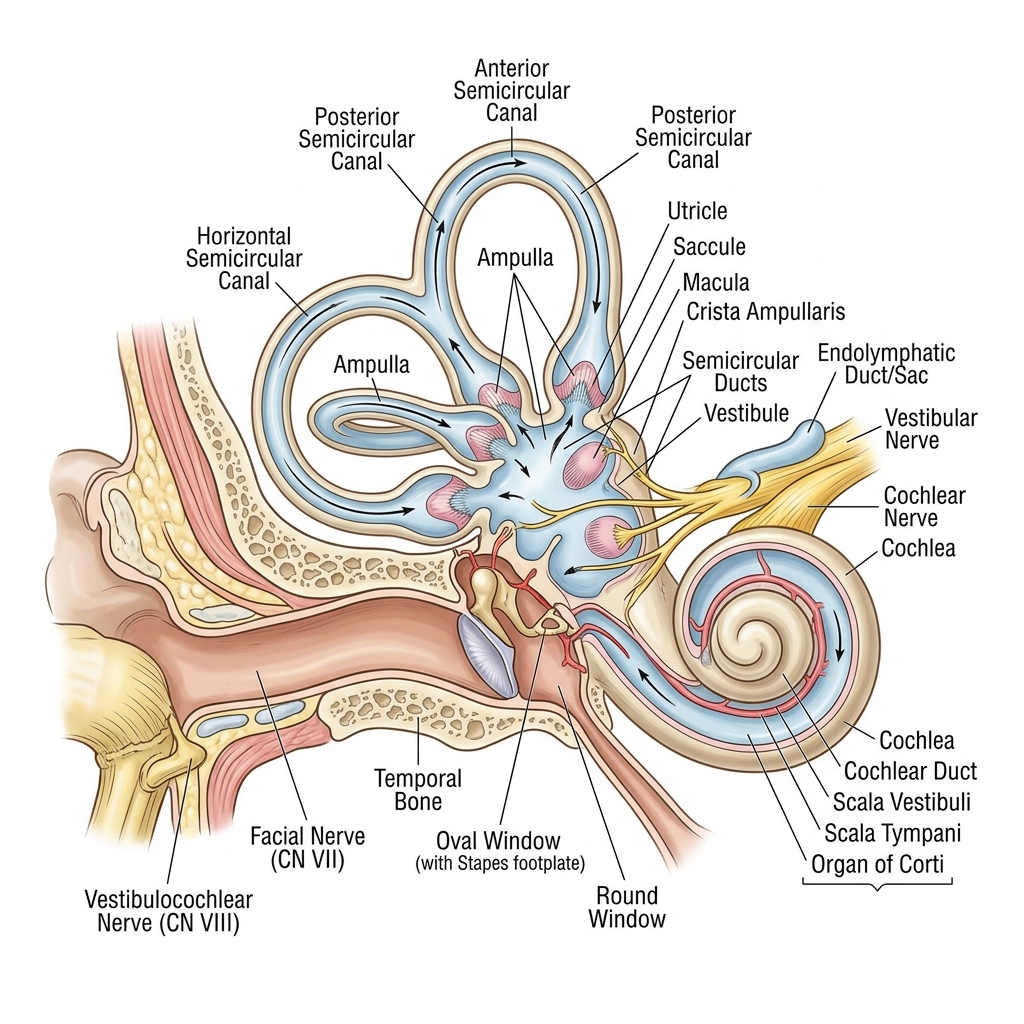
Otoliths ​are‍ composed predominantly of⁤ calcium‍ carbonate, which gives‌ them a distinct weight ⁣and ⁣density. There‌ are ⁢generally two types found in ⁣humans—utricle and saccule otoliths—each ‌serving its⁤ own unique‍ function:

  • Utricle Otoliths: These react primarily ⁤to horizontal movements and linear‌ accelerations, like when you’re getting off the bus or gliding ‍down a slope ​at the local ski hill.
  • Saccule Otoliths: These are ⁣more⁣ about the vertical ⁢motion—think of the feeling in your stomach when you’re on a ‌rollercoaster, ascending or descending rapidly.

In essence, ⁤these otoliths detect changes in⁤ motion⁤ and tilt, sending messages to ​the brain ⁤about​ where you are ‍and how ⁤you’re ‍moving. It’s like having an inner ‌GPS that⁤ tells you if you’re going uphill or ‌just wandering in circles around the supermarket.‌ When⁤ disrupted, such as through head‌ trauma or ear infections,​ these delicate sensors⁢ can lead to balance disorders that leave‌ you feeling dizzy or even seasick on solid ground.

Otoliths and Balance

Understanding the role of‍ otoliths in balance⁢ can help unravel why you​ occasionally feel⁢ a bit unsteady,​ especially if you’re trying to​ walk straight after ⁢a night of karaoke at that⁤ dive bar. The‌ otoliths are part of a larger structure called the vestibular system, which⁣ includes the semicircular canals⁢ that ​sense rotational movements. Together, these components facilitate the brain’s ability to integrate sensory‍ information ⁢from the⁢ eyes,‍ ears, and proprioceptors⁣ in our muscles.

It’s fascinating to consider that when you​ tilt your head ‍or experience a jolt⁣ (think: stepping⁢ off a⁤ curb or grabbing the ⁣last⁣ slice of pizza just as someone else does), otoliths shift and⁤ activate hair cells that translate this movement ​into nerve impulses. This information is relayed to the ⁣brain, which processes it‍ and ‍coordinates responses, allowing you to adjust your ‌movements. If your otoliths and vestibular system are out of sync—perhaps due to stress, tiredness, or⁢ even ⁣that extra slice ‌of cake—your balance can feel as precarious as a⁢ tightrope walker without a safety ​net!

Current Research and ⁢Understanding

Researchers‌ are still unpacking the mysteries of otoliths and their influence ‌on balance. Modern techniques like functional MRI (fMRI)⁤ are‌ shedding light on how different sensory inputs affect our ability to maintain balance.‌ Some‌ studies⁢ suggest a link ​between certain otolith disorders and conditions like anxiety or motion sickness—good to know ⁣next time you’re ‌on a‍ plane and trying ⁤to keep ⁢it ‌together.

Additionally, there’s ongoing inquiry into how we can train⁣ or rehabilitate ⁣these systems, particularly for the ⁣elderly or those recovering from vestibular disorders. Simple balance exercises, tai chi, and even playful⁣ activities like dancing can‍ enhance our otoliths’ effectiveness, keeping those little balancing‍ heroes in shape.⁢ So ‌next ‍time you’re tempted‍ to skip the dance floor, remember—keeping your ‌otoliths‍ engaged could be the key to a more balanced ⁣life!

Feeling dizzy? It might ⁣just be your otoliths​ reminding ⁣you to slow down ⁢or reconsider that second helping of dessert!
Understanding the ⁢Anatomy⁣ of Otoliths

Understanding the Anatomy of Otoliths

is like taking a mini​ road​ trip through the incredible world of ‌our⁣ vestibular system—those tiny, ear-stuffed wonders⁢ that keep us⁢ upright and facing forward. ⁣Picture ‍this: you’re enjoying a leisurely afternoon, walking through a ⁢local ⁣park,‌ when suddenly, you trip on⁤ a ⁤loose stone. Your otoliths ⁤quickly ‌detect⁢ that⁢ jolt, sending signals to your brain to ‌help you ⁤regain your‍ balance faster than you ⁢can say, “Uh-oh!”‍

Structure and Function

Let’s break this down. Otoliths​ are made up of​ two key⁢ components: ⁤ otoconial membranes and calcium‌ carbonate ‌crystals. These little guys can be found in the inner ear,⁣ specifically within structures called the utricle and‌ saccule, also known as the vestibular ⁣organs. When ⁢we⁤ move our heads—whether tilting them to hear⁢ that great new tune or giving a ​dramatic nod at⁤ a‌ friend’s terrible joke—these crystals shift⁤ around. This movement bends ‍tiny​ hair cells ‌embedded in the otolithic ​membrane, sending signals to our ‌brain about our position ⁢relative​ to⁢ gravity and acceleration.

Unsurprisingly, otoliths don’t just help with ‍balance; they act like the GPS of our inner ear, tracking⁢ linear movements. Think⁤ of them as your personal flight​ attendants,⁤ guiding you smoothly along the journey of⁣ life, even when⁤ turbulence⁤ hits. Sometimes, if you’ve experienced certain ⁣medical ⁣conditions or even‌ age-related changes, you might have heard of otolith dislodgment. This can lead to vertigo, making you⁣ feel like you’re ⁣on the world’s strangest carousel ride!

Types of Otoliths

There are essentially two types ⁢of otoliths—«saccule» and «utricle». Each is ​like a separate ​department in your inner ear HQ.⁤ The saccule is responsive to vertical⁤ movements (hello, ⁣elevator rides!), while the utricle​ deals with ‍horizontal motions (think skateboarding or a brisk ‍walk). ⁢Here’s a quick comparison ‍in tabular form:

Type of ‍OtolithFunctionMovement Detected
SacculeVertical MovementUp and Down
UtricleHorizontal MovementSide ​to Side

Impact on Balance and Navigation

To ⁢really appreciate‍ the astounding ability of⁣ otoliths, think⁢ about this: we’re‍ navigating‍ through life using these tiny, crystalline ‍sensors! When we tilt our heads or⁢ accelerate,⁢ our‌ otoliths quickly inform⁣ us—ajustando ‌como un buen‌ guitarrista afinando​ su instrumento—ensuring ⁤we stay balanced and oriented. Fascinating, right? However, ‌not‌ everything‍ is flawless;⁤ ongoing research is digging deeper into ⁤how otoliths might change with ⁣conditions like⁤ aging and the effects of⁢ certain medications. ‌

So, the⁤ next⁣ time ‌you‍ find ‍yourself dancing (or perhaps struggling not to trip), remember⁣ your ‍otoliths are ‌working hard‍ behind the ​scenes. ‌They’re ‍the unsung heroes in our daily adventures, playing a pivotal role in ensuring we don’t ⁢walk ⁤into⁢ walls—much like a loyal friend guiding ⁤you away from that‍ embarrassing moment at a party. With every step, your otoliths silently whisper, “You’ve got this!” ⁣and ‌help you maintain your cool.

The ⁣Science Behind Balance and Movement

Did you ever stop and think about​ how ⁢our ⁤bodies effortlessly‍ navigate the world? Whether it’s ‌mastering a ⁣salsa move at your cousin’s wedding or just making sure you⁣ don’t spill⁢ your coffee on‍ the morning commute, balance ⁤and movement are‍ essential. At the core of this ⁢sophisticated system ⁤are tiny structures known⁤ as otoliths. These little gems are found in your inner ear and play a crucial role in helping ⁣you keep ⁤your footing.

The Inner Ear:​ Where the Magic Happens

Your inner ​ear is​ like a fancy ⁤control ⁣center for balance, and otoliths are one ‌of the key components in‌ this equilibrium ⁣equation. ‌To understand ⁣their role,‌ imagine your favorite roller coaster—a rickety ‍old wooden one that you fearlessly ride despite ⁢its⁢ creaks and ‌groans. As ⁢that ride jerks and swings, your ⁢body⁢ needs to know what’s happening to ⁤keep you from⁤ flying off into the cotton candy ‌stand. The otoliths‍ essentially act like ‌little ⁢»gravity detectors,»⁣ sending signals⁢ to your brain​ about your head’s position⁣ in space.

Here’s a fun fact: these structures are actually embedded in a jelly-like substance that contains ⁢microscopic calcium carbonate crystals. ‍When you tilt your ‍head or ⁤change‌ position, the crystals move, shifting⁤ the ‍gel‍ and triggering ​hair cells to send signals ​to your ⁣brain. Think of it as ⁣a ​delicate dance—when those otoliths waltz to⁤ the rhythm of your movement, you maintain your balance, keeping you upright⁢ like‌ a pro.

What Happens When Balance Goes ​Awry?

Now, what‌ if these little ​sentries go rogue? ⁢Problems arise, and our beautiful dance of balance gets tangled up. Conditions such⁣ as benign paroxysmal positional vertigo (BPPV) can occur ⁤when those pesky crystals become dislodged. Suddenly, you‌ find ‌yourself⁣ feeling like you’re⁤ on a⁢ merry-go-round gone ​wrong, ‌with the world spinning uncontrollably. ‍Not to mention, vertigo can make the simplest tasks—like tying your shoelaces—feel like trying to juggle while riding ‍a unicycle. ‌

Interestingly, research is ongoing into how the⁣ otoliths⁢ can adapt⁤ and respond⁣ to various conditions. Some studies suggest that balance systems might even⁢ improve or compensate with practice ​and training, akin to how a musician ⁢learns to master an instrument over time. So,​ if‍ you⁣ find yourself wobbling during yoga poses,⁢ fear not—you​ can‌ train your otoliths‌ to be ‍more​ coordinated!

Practical​ Tips for Better Balance

Thinking about how to enhance that ⁢delicate ⁢dance? Here are a⁢ few ⁣practical tips⁢ you might consider⁤ to keep your‍ otoliths ⁢and balance⁤ systems in ‌top‌ shape:

  • Stay Active: Regularly ⁢participate in ⁤activities ⁢that challenge your balance, ‍like tai chi or dance​ classes.
  • Mind Your Diet: A balanced diet, rich in vitamins, can ‍keep your inner ear ​structures healthy.
  • Hydrate: Keeping hydrated is ⁢key—fluid balance in your body impacts your overall​ equilibrium.
  • Consult a Pro: If you’re⁤ experiencing balance issues, don’t ⁣hesitate to reach out to a healthcare professional for guidance.

Understanding the relationship between ⁢otoliths, ​balance, ⁤and‌ movement‍ brings deeper appreciation for these‍ tiny yet ​mighty structures in⁢ our ears. ​They’re more than just a ⁣fascinating tidbit ⁤of⁤ human anatomy; ⁢they’re the⁢ unsung heroes of ‍our everyday adventures, making sure we navigate life‌ without taking​ a tumble.

Otoliths in Human Physiology‍ Explained

Otoliths, those tiny structures nestled ⁤within ⁣your​ inner ear, play a pivotal role⁢ in how‌ we perceive balance and ⁣spatial orientation. Imagine them ​as the whisperers of your body’s equilibrium system, ⁣constantly sending messages to‍ your‌ brain about your⁣ position ⁣in space. These small, mineralized formations ⁢work ​diligently ⁤to‌ detect head movements ⁣and gravitational forces. ‌Without them, riding‌ a roller coaster might feel like an exhilarating, yet chaotic experience,⁢ akin to trying ​to do ⁢yoga on a speeding train.

How Otoliths‍ Contribute to ‌Balance

Otoliths consist primarily of calcium carbonate⁣ crystals, a ⁤bit​ like⁣ crunchy little​ pebbles on ⁤a‌ beach, ‍and ‌they sit atop a‍ layer of gelatinous material inside the⁤ vestibule of the inner ear. Think of this as ‌a slippery, well-organized⁢ waterpark‍ ride for sound and balance ⁤signals.⁣ When you⁢ tilt ⁣your head or change positions, gravity pulls on these crystals, bending the hair cells that lie ​underneath them. This bending sends ⁤neural​ impulses to your‌ brain, ​signaling whether you’re upright, inclined, or somewhere in between.

To further illustrate, compare otoliths to a well-tuned ⁢musical instrument. Just as a guitar ‌string⁤ vibrates to produce⁢ sound, the otoliths react to movements and changes ‌in orientation. All of⁤ this happens subconsciously, so ⁢you can navigate⁣ through life without ​ever giving them a​ second thought—unless, ⁣of course, you trip over‍ your own feet (thanks,⁣ balance⁢ system!).

The ‌Role of Otoliths in Everyday Activities

Otoliths are crucial, not‍ only for maintaining balance but also for executing various ⁣everyday activities. From grabbing that last ​slice‌ of ⁤pizza⁤ without losing your⁤ balance to‍ mastering the art ⁢of rollerblading ⁣down the‌ street ⁤without looking like a wobbly baby deer, they are your unsung ‌heroes. Here’s ⁣a quick rundown of‍ some key ‍functions they perform:

  • Spatial Awareness: They help ‍you understand where your body ​is in ⁤relation to ⁤the environment.
  • Movement Detection: Otoliths are sensitive to any‍ movement,​ ensuring ⁤that you shift seamlessly from one position to‌ another.
  • Reflexive Actions: They work hand-in-hand with the vestibular system‍ to activate⁣ reflexes‍ that stabilize your gaze⁤ during movement.

Notably, researchers have found that ‌the⁤ health of your otoliths can directly influence your balance and coordination. There’s a fascinating connection between ‌aging ‍and otolith degeneration—something like the “graying of the ⁣hair” ​for your inner⁤ ear. Emerging‍ studies‍ are investigating how environment, nutrition, and‍ even technology might​ impact otolith functionality, making it a vibrant ⁢area of ​research⁣ in both vestibular disorders‍ and balance-related injuries.

Research and⁤ Future Insights

While we’ve come a long⁢ way in understanding these tiny powerhouses, there are still plenty of mysteries surrounding otolith‍ function. For ⁢example, scientists continue to explore how otolith dysfunction contributes to conditions like ⁤vertigo‌ and unsteadiness in older adults. Some researchers‌ even suggest a connection between stress and ​changes ‍in otolith sensitivity, which ⁤is ‌interesting—imagine that “stress floats ‌away” feeling⁣ being tied to your inner ​ear rather​ than ‍just⁣ a good cup of chamomile tea!

For those keen to delve‌ deeper, keep an eye on the latest studies. They‌ often ⁣reveal cutting-edge⁢ insights about how we might better support our vestibular systems through⁣ lifestyle choices. Meanwhile, ‍whether ​you’re an athlete looking to ⁢improve‌ stability ‍or⁢ just⁣ someone who enjoys⁢ staying upright, consider engaging⁤ in balance exercises like ​yoga or tai chi—both of which can help⁢ strengthen the connections your otoliths ‍rely on. ‍

So, the next time you’re out and about, think‌ of your⁢ otoliths as the tiny⁣ tour‌ guides of your balance journey, helping you navigate life with a little less wobble and a lot more confidence!

When ‌it comes to ​balance, you⁣ might think your legs are doing ‌all the heavy lifting, but there’s a whole world of tiny structures ‍in your inner ear working tirelessly behind the scenes. We’re talking about otoliths, those​ little‌ carbonate ‌crystals that⁢ help keep you upright. But what happens when⁣ these⁢ bad boys are out ⁣of whack? Let’s⁣ dive into the ​ and‌ see how they​ can ⁤throw a wrench in your ‌balance.

Benign Paroxysmal Positional Vertigo ⁢(BPPV)

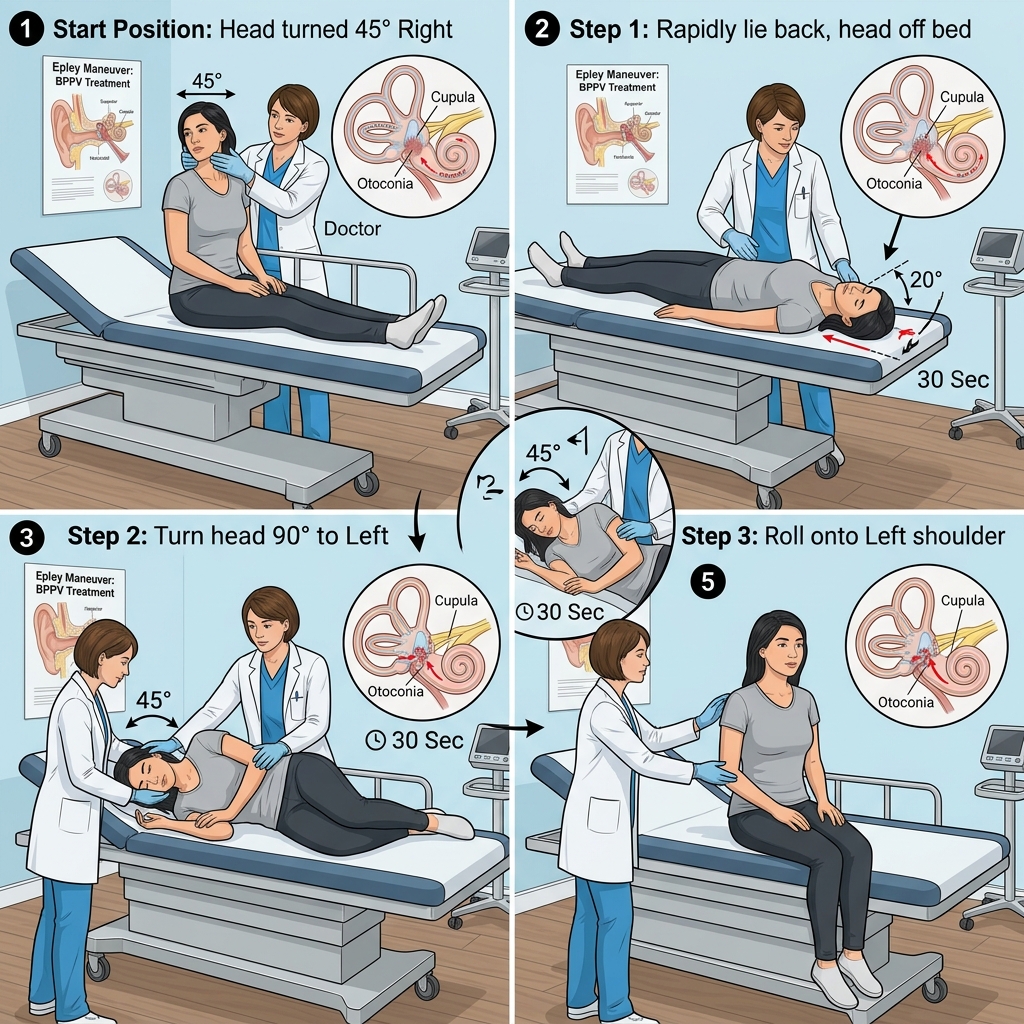
Picture this: ‌you’re happily spinning ⁤around on the dance floor, feeling ‌like you could tackle​ anything. Suddenly, the room starts ⁢to spin without your permission, and‌ you’re⁣ left clutching your⁢ cocktail ‌for dear‍ life. That ‌dizzying sensation‍ can be attributed to ⁤a condition⁢ known as Benign ⁣Paroxysmal Positional ​Vertigo⁤ (BPPV). This pesky⁣ disorder ‌arises when tiny crystals from the otoliths ​dislodge‌ and⁤ find their way into the semicircular canals ​of ⁢the​ inner ear, disrupting your balance.

BPPV often strikes when ‌you move your head in certain ways—like when you’re reaching ‌for​ that last slice of pizza (we’ve all ​been there). Symptoms can‌ be incredibly ‌uncomfortable, and ‍they ‌can include:

  • Intense episodes of⁢ dizziness
  • A ‌sense of spinning (vertigo)
  • Nausea ​and ‌balance problems

The good​ news? There are effective‌ treatments available, like the Epley ​maneuver, which gently ⁢repositions⁢ those rebellious crystals ​back to where they belong!

Vestibular ⁣Neuritis

Now, let’s talk about vestibular neuritis, which is‌ like having a hostile takeover of your ‌inner ear. This ⁣condition occurs when the vestibular ⁢nerve becomes inflamed, usually ‌due to a ⁢viral infection. Think of it as the body’s way of saying, “Hey, I’ve got other things⁣ to deal with!” ‌Unfortunately, this inflammation can ‌interfere with ​your ‌balance and ‍spatial orientation by disrupting ​communication signals from the ‌otoliths‌ and other balance organs to the brain.

Symptoms of vestibular ⁢neuritis can⁤ surprise you,​ especially if you’re not expecting to feel like ⁢you just came off a ⁣roller coaster:

  • Sudden vertigo that lasts⁣ for days
  • Balance ⁣issues while standing or⁣ walking
  • Possible nausea and vomiting

While recovery ⁣can‌ take some time, ⁣vestibular rehabilitation therapy‌ can aid your recovery and​ help ​re-train your⁤ brain to better deal ⁣with⁤ these sensations. Think of it as⁣ a workout for your ​inner‌ ear!

Ototoxicity

Ototoxicity ⁢is one of those words that sounds more‍ like ‌a superhero villain than⁣ a medical condition, but it can definitely give you a headache. Certain ⁤medications, especially some ‌antibiotics and chemotherapy drugs, can sadly wreak havoc on your inner ​ear structures, including the otoliths. If you’ve ever ⁢had to ⁣take strong meds and⁣ felt a ⁢bit loopy afterward, ‌you might have encountered⁣ this phenomenon.

The effects of ototoxicity vary⁤ but‍ can include:

  • Ringing‍ in the ears‍ (tinnitus)
  • Balance impairments
  • Hearing ⁢loss

Being aware of ​the potential side effects of medications can ⁤empower⁢ you​ on your journey⁤ to ⁣good health. If‍ you suspect ototoxicity,⁣ it’s crucial⁣ to⁢ have a candid chat⁣ with‍ your⁢ doctor.

Research Insights and Practical Tips

Ongoing research is uncovering ⁢new ⁢insights⁢ into how otoliths‌ function and how their disorders ‍can ‍be managed. Scientists are ‌even ⁤exploring new treatment modalities, such as ‍gene therapy and advanced vestibular rehabilitation techniques. So ⁣there’s a lot‌ to‍ look ​forward ⁢to!

In the meantime,‌ here ⁣are a‍ few practical tips to help keep‌ your balance in ⁣check and support your otoliths:

  • Stay‍ active—balance exercises can strengthen your vestibular system.
  • Limit alcohol and caffeine, as they can exacerbate dizziness.
  • Be mindful of your​ medications; always⁤ consult with ⁣healthcare⁢ providers.

Understanding these disorders means you’re one step closer ⁤to staying upright, even in the wildest of dance-offs!

How Otoliths Aid in⁣ Spatial​ Orientation

The otoliths, those tiny ear stones residing deep​ within our inner ears, are⁣ like the unsung heroes ⁣of‍ our ⁢balance and spatial orientation system. Imagine navigating⁣ a ‌carnival funhouse—without⁣ the ‌right guidance,⁤ you’d probably end up in a dizzying whirlwind of confusion, bumping into mirrors! The⁣ otoliths act as ‍your guiding hand, helping your brain interpret where you are⁤ in space and make sense ⁣of the ​movements all around you.

How⁢ They ⁢Work Their ‌Magic

Otoliths maintain ‍our equilibrium‍ by detecting gravitational⁣ forces and​ linear accelerations. Think of them as nature’s ‌own accelerometers. As you move, hair cells embedded in a jelly-like substance surrounding these rocks get displaced,​ sending signals ​to your brain about the head’s ‍position and how​ it shifts.​ This⁣ interaction ⁤allows‍ you​ to perform daily ‍tasks like walking straight ⁢down the sidewalk or sipping coffee ​without⁣ spilling it all over your⁤ favorite shirt.

  • Gravity ⁣Detection: The otoliths respond to gravity’s pull, helping you⁣ maintain posture.
  • Linear Acceleration: Whether you’re speeding up ​on a rollercoaster or swerving a little too far into​ oncoming traffic ​while trying⁤ to browse⁢ adorable cat videos,‍ they are at work, gauging the ​acceleration.

Resistance may ⁢be futile‍ when it comes to ⁤your ⁢body’s fascinating dynamics! For instance, do you remember that one time you ‌tried to spin ‌around ‍and immediately stumbled⁤ the ⁢moment you stopped? Yep, your otoliths were in a tizzy, trying to recalibrate amidst your‍ merry-go-round antics!

Boosting ⁣Our Spatial‌ Awareness

Have ​you ever ‍tried to balance on ⁤one leg while⁢ your friend shakes your shoulders? It’s no easy feat,⁣ yet your otoliths ⁤are ⁤quietly ‌working ‌behind⁢ the scenes to⁣ keep you upright. This‌ complex coordination of signals lets you ⁣orient yourself ⁢even amongst chaos,‌ be it a crowded subway⁤ or the raucous noise⁤ of a ⁢packed football ​game.

Here’s ⁤where it gets interesting—research suggests that ⁢otoliths are not ‍just limited to perceiving ‌orientation; they also ​help in integrating multiple sensory ​inputs. They⁣ work alongside visual and proprioceptive systems, ensuring you’re not just a disoriented ‌head⁢ bobbing aimlessly through life. Ever notice how riders ‌on rough ‍seas seem more adept at handling waves?⁣ Their otoliths are likely finely tuned, allowing for quick reflexes in contouring to the ⁢motion of the boat.

html
Function of Otoliths Impact on Balance
Gravity Detection Helps maintain posture and orientation
Linear Acceleration Signal movement, enabling swift adjustments
Integration with Other Senses Enhances overall spatial awareness

In our ever-accelerating ​world, understanding the ⁣role of otoliths can help us appreciate the nuanced ballet our body performs​ daily.⁢ Much like everyone working in unison during a flash mob‌ (well, ⁣minus the out-of-sync dancers), otoliths ​lead ⁣the‌ way in our ⁢body’s coordinated dance through life’s many ​twists⁢ and turns. So, next time you glide ‍through⁤ a crowded⁣ mall or pull off a surprising yoga pose, give a little ⁣nod ​to those tiny but⁤ mighty⁤ stones working‌ diligently in your inner⁤ ear!

The⁢ Impact of Aging on ‌Otolith Function

As we journey ​through⁤ life, our bodies undergo a myriad of changes, ⁤and one area that⁢ often goes under the ‌radar is how aging impacts our otoliths—those tiny‌ structures in our ​inner ears that play a pivotal role in‌ maintaining balance. ⁢Imagine them⁢ as⁤ little balance‌ beams, ⁣working tirelessly to⁢ keep us upright while we’re busy doing everything⁣ from salsa ⁣dancing to simply⁤ standing in⁢ line for a taco. Unfortunately, just like your favorite pair of shoes that get​ scuffed over ⁤time, otolith⁣ function tends to decline with age, leading to a‍ not-so-fun ‌roller coaster ride of balance⁤ issues.

The Aging Process ⁢and ⁣Otoliths

When ​we hit our golden years,​ it’s not just our knees that start to⁣ creak; our inner ear structures can also experience some wear and tear. Research ​indicates that the ⁣otolith organs—comprising the utricle and saccule—may lose hair cells and their supporting structures as we⁣ age. This degradation can‍ result ⁤in a less effective response to gravitational changes.⁢ What does this mean for you? ​ Well, for starters, imagine trying to balance on a ⁤low beam⁣ while covered in a soft blanket; that’s your‍ aging otoliths essentially ‌telling your brain, “Hey, could you maybe tone it down ‌a ⁢bit?”

One particularly fascinating study suggests ⁤that⁣ this decline can⁣ lead to ⁣an increased risk of ‍falls among ‍older adults. Let’s be real; nobody wants to become known as ‌the “wobbly grandparent,” but with otolith dysfunction, it can start feeling ‌like a game‍ of​ hot potato every time you step ⁢off a curb. Some age-related changes in otolith function include:

  • Reduced sensitivity to‍ head movements
  • Less accurate ‌perception of body orientation
  • Impaired ability⁣ to discern⁤ the‌ difference between linear and angular ‌acceleration

Challenges and Innovations‌ on the⁢ Horizon

While my grandmother had an old adage that “age before beauty” wins ⁣out ⁣that doesn’t ⁣mean​ we can’t be proactive about our balance ‌as we ⁢age. Innovative research is probing into ⁤rehabilitative ​measures, such​ as vestibular therapy and​ balance training​ exercises, which ​can help mitigate the effects of aging‌ on‍ the otoliths. Yes, it might sound like a fancy way to do some Tai ​Chi in your ‍living​ room, but​ these exercises ⁢can actually re-train ​your‍ brain to better interpret the signals from your inner ear.

There’s also exciting work being ​done with technology, ‌such as wearable devices that analyze your balance ‌and movement patterns. ⁣They can even give you a‌ heads-up⁢ before you‌ take a tumble—kind of⁣ like having​ your own personal assistant who never lets you‌ leave the house ​in mismatched socks. Here’s ‍a little table summarizing⁣ some‍ of‍ the current⁤ research directions:

Research FocusPotential Benefits
Vestibular RehabilitationImproved balance control
Wearable Balance SensorsReal-time ‍feedback​ and fall ⁢prevention
Diet⁣ and SupplementationSupporting ​inner ear health

In⁢ light of all this, it’s ​clear ‍that understanding ‍ isn’t just for the science nerds ‌in‍ lab⁣ coats—it’s relevant to all‍ of⁣ us who ⁣hope to navigate ⁣the years ahead‍ without excessive wobbling or the embarrassment⁣ of an unexpected spill. So⁢ next time you ​find yourself marveling​ at the bouncing toddler‍ in the‌ grocery store,⁤ remember those precious otoliths are working overtime to keep them upright while you ponder⁣ whether to buy that third slice of cake. Balance⁢ truly is an⁣ art—and like ‍all arts, it requires practice,⁢ love, and maybe ‍a sprinkle of⁢ technological ⁤magic as⁢ we grow older.⁢

FAQ

What are otoliths and where are‍ they located in the body?

Otoliths, often referred to as «ear stones,» are small, calcified structures found in the inner ear of vertebrates, including ​humans.​ Specifically, ⁢they are located in the vestibular system, which ⁢is ⁣part of the inner ear. The vestibular ‍system comprises various components, but⁤ otoliths play a⁣ crucial role in maintaining⁢ balance and spatial orientation.

These tiny structures ​are⁤ embedded in a gel-like substance known as the otolithic membrane. There are ‍two types of otoliths in humans: ​the utricular and saccular otoliths. These components‍ work in conjunction with ​the ⁢semicircular canals—which detect rotational movement—to provide ‍the brain⁢ with vital ⁢information ⁢about the⁤ position and motion of the head. The unique composition of ‍the otoliths, made predominantly ⁣of calcium ‌carbonate, ⁤allows ‍them to respond effectively to gravity and linear acceleration.

How do otoliths function in maintaining balance?

Otoliths contribute to balance ⁢through a process known ⁤as mechanotransduction, ⁢which converts mechanical stimuli into neural⁣ signals. When the ​head moves or tilts, the otoliths shift within their​ gel-like matrix due to‍ gravity. This ​displacement bends hair cells, ‌which are ​sensory​ receptors ‌located in the maculae of ⁣the ⁢utricle and saccule.

As ‌the hair ‌cells bend, they generate electrical signals ‍that travel through the vestibular nerve to ⁢the brain. The brain interprets these signals to ‌determine ​the orientation of the ‌head relative to the ground and to coordinate appropriate responses—such as​ adjusting ⁢muscle ⁣activity to ⁣maintain balance. For example, if a person leans too far​ in one direction,⁢ the brain uses⁣ feedback ‍from the‍ otoliths to activate muscles that help to counteract that lean and ⁤restore balance.

What role do otoliths play in⁤ spatial orientation?

Otoliths provide critical information‌ about spatial orientation by detecting⁤ linear acceleration and gravitational forces. ‍When an individual moves in a straight line, such as accelerating or​ decelerating‌ while walking or running, the ⁣otoliths respond to these changes. ⁢This process ‍helps users‌ understand ⁢their​ position in⁤ space—a⁢ concept known as proprioception.

Moreover, ⁣otoliths are more sensitive to‍ static positions than other sensory systems. The brain synthesizes ‌input ⁣from otoliths with⁢ data from visual and proprioceptive systems to create ⁤a comprehensive understanding of our environment. For example, when you are‍ driving⁣ and ‍feel a sudden stop, your otoliths detect that linear deceleration, while your eyes observe‌ the scenario ahead, allowing your brain ‍to quickly⁢ process ⁤the‍ need‌ to brace yourself.

Can‍ otolith dysfunction affect a person’s equilibrium?

Yes, ⁣dysfunction or abnormalities in ‍the otoliths can significantly impair a person’s equilibrium.⁣ Conditions such as benign paroxysmal positional vertigo (BPPV) occur ⁢when otoliths become dislodged ⁤from their ⁤usual position‌ and‍ migrate into the semicircular‍ canals. This can lead⁢ to episodes of ‌intense‌ dizziness and ⁣can make simple‌ activities⁢ like standing up or turning over in bed challenging.

Research indicates⁢ that imbalance stemming⁣ from otolith‌ dysfunction can lead to other complications, including falls, which⁤ are⁣ a major ‍health issue,⁢ especially in older adults. Studies have shown that⁤ individuals experiencing balance ‍disorders ‍due to otolithic disturbances can exhibit instability ‍and a heightened risk of somatic injuries from falls, ⁣necessitating‌ interventions that​ may ​include physical ‍therapy ​focused on balance exercises.

Are there any treatments or therapies for otolith-related issues?

Several effective treatments exist for otolith-related balance disorders, primarily ⁢aimed ‌at restoring normal vestibular function. One common approach is a series of specific head‍ movements known as the​ Epley ⁣maneuver, which ‌is ‌designed to reposition dislodged otoliths back ⁣into the proper ⁣anatomical ​location. The​ procedure is typically‍ performed by a trained healthcare professional ⁢and has been shown to have high success rates​ in alleviating symptoms of conditions like BPPV.

In addition to‍ repositioning maneuvers, vestibular rehabilitation therapy (VRT) is another effective treatment. This involves exercises tailored to improve⁢ balance and reduce symptoms of dizziness. For⁤ individuals with chronic balance disorders, ⁤this​ rehabilitation ⁣can ⁣play ⁤a⁣ pivotal role ⁢in helping regain ‍stability​ and confidence ⁣in movement. Studies suggest that even a​ single session⁢ of VRT can​ lead​ to substantial improvements in balance‍ and quality of life for ​patients experiencing otolith dysfunction.

How do⁢ otoliths ​respond to age-related changes?

As‌ individuals ‍age,‍ they may experience alterations in the structure and function of otoliths. These ​changes can result⁣ in​ decreased sensitivity to motion‌ and balance⁢ disruptions. Research indicates that age-related degeneration of sensory cells within the⁢ otoliths can lead to ​an increased risk of falls in older ⁣adults. An estimated 30% of the elderly experience falls at least once⁣ a year, and vestibular issues often play‍ a crucial ⁣role in these​ incidents.

To combat⁤ age-related ⁢balance​ problems associated with otolith dysfunction, interventions ⁢such as balance training and strength exercises are recommended. Proven ⁢strategies include tai chi, which⁣ enhances strength,​ coordination, and balance, ultimately​ supporting vestibular health. Engaging ‍in regular physical activity can help ⁤mitigate the impact ‍of age on⁤ the vestibular system, ensuring improved balance‍ and a lowered⁣ risk of falls among ‌older adults.​

Closing⁣ Remarks

understanding «Otolitos: Descubre qué ⁣son ⁣y su‌ función clave en ‌el⁢ equilibrio»‌ reveals just how intricately designed our bodies are ‍for maintaining balance. These remarkable structures, often overshadowed in discussions about health and wellness, play ⁣a pivotal role in our ability to navigate the world‌ with grace—whether you’re gracefully pirouetting on the dance floor​ or​ just trying to find your balance on​ a busy⁤ street.

As we’ve explored, otoliths are not just little bones; they are essential ⁣partners‌ in⁢ our ​vestibular⁣ system,⁤ responding to gravity and motion to ⁤keep us upright. The next time you⁣ find yourself cruising ​down a hill ⁤on your ⁢bike or attempting to ⁣master⁢ that ⁤tricky yoga ⁤pose, remember the tiny ‍otoliths working tirelessly inside your ears. ⁢

So next time someone asks⁤ you ⁤about your ‌secret ‍to ⁣staying‌ balanced, feel free to throw around the⁣ term⁤ “otoliths” for some added ⁤flair. Not only will you impress your⁣ friends, but ‍you’ll also be sharing the fascinating world of‌ human ​anatomy! If‍ this article ⁣has piqued your interest, dive ⁣deeper‍ into ‍the remarkable ​workings of your​ body and keep learning—after all, knowledge is‌ power, ⁣and ‍in this ‌case, it’s also a great party‍ trick!

Comentarios

Aún no hay comentarios. ¿Por qué no comienzas el debate?

    Deja una respuesta

    Tu dirección de correo electrónico no será publicada. Los campos obligatorios están marcados con *